
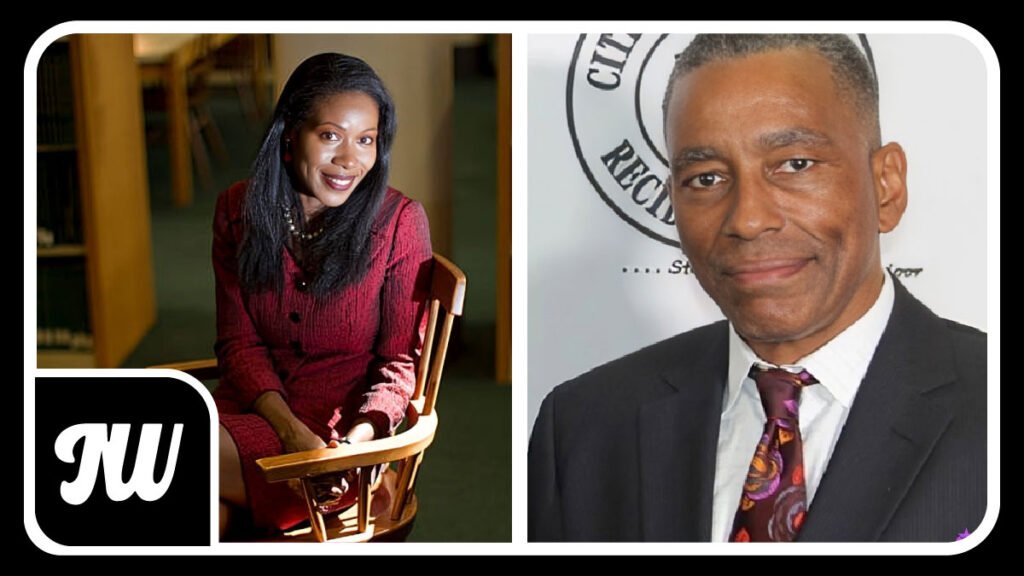
When people hear about Isabel Wilkerson, the famous writer who won the Pulitzer Prize, many wonder about the important people in her life. One of those people is Roderick Jeffrey Watts, her first husband. While he is known as Isabel’s former partner, Roderick has his own amazing story as a teacher and psychologist who works to make society better.
Biography of Roderick Jeffrey Watts
| Full Name | Roderick Jeffrey Watts |
|---|---|
| Profession | Psychology Professor and Social Justice Advocate |
| Education | Oberlin College (Bachelor’s), University of Maryland (Master’s and Ph.D.) |
| Known For | Work in community psychology and racial equality |
| Spouse | Isabel Wilkerson (married 1989, later divorced) |
| Universities | DePaul University, City University of New York, Stellenbosch University |
| Main Focus | Mental health, social justice, and community empowerment |
| Parents | Robert K. Watts and Eva Lacy Watts |
Early Life and Education
Roderick Jeffrey Watts grew up in a family that valued helping others. His father, Robert K. Watts, worked as a health planner for New York State. His mother, Eva Lacy Watts, worked at Black Dimensions, a group that helped African American communities.
Roderick studied at Oberlin College and later earned his master’s degree and Ph.D. in psychology from the University of Maryland. His studies focused on how society affects mental health, especially in African American communities. He taught at DePaul University in Chicago, the City University of New York Graduate Center, and Stellenbosch University in South Africa.
Work in Psychology and Social Justice
Roderick Jeffrey Watts specializes in community psychology, which examines how neighborhoods and social systems affect mental health. His work studies how racism affects people’s minds, creates programs to help young African Americans develop leadership skills, and supports community projects fighting unfair systems.
He co-edited the influential book “Human Diversity: Perspectives,” which explores how different cultures influence human behavior. Roderick believes psychology should actively help create a fairer society by teaching people to recognize unfair systems and work together for change.
Marriage to Isabel Wilkerson
In 1989, Roderick married Isabel Wilkerson at Oxon Hill Manor in Maryland. Isabel was working as a journalist for The New York Times and later became the first African American woman to win the Pulitzer Prize for journalism.
Both shared a passion for racial justice. While Isabel told stories through writing, Roderick worked through psychology and community programs. Their marriage eventually ended in divorce. Isabel later married Brett Kelly Hamilton in 2009, who passed away in 2015.
Teaching and Mentoring
Roderick teaches courses on African American psychology, social justice, and research methods. He connects classroom learning with real-world problems and encourages students to use psychology to help communities. Many of his former students have become psychologists, social workers, and community leaders. He also mentors young researchers, believing in sharing knowledge and helping others grow.
Personal Philosophy
Roderick Jeffrey Watts has a clear philosophy that guides his work. He believes that you cannot separate mental health from the society people live in. If someone lives in an unfair system, it will affect their mind and emotions.
He argues that psychologists must look at the bigger picture. Instead of only treating individual problems, they should also work to change the systems that create those problems. For Roderick, equality and mental health go hand in hand.
A Quiet but Powerful Presence
Unlike some public figures, Roderick Jeffrey Watts prefers to stay out of the spotlight. He rarely appears in the media and chooses to focus on his work. When he does appear publicly, it is usually at academic conferences or events related to social justice.
This quiet approach has earned him respect among colleagues and activists. People see him as someone who genuinely cares about making a difference, not about being famous. His influence comes from his consistent work over many years.
Legacy and Impact
Today, Roderick Jeffrey Watts continues to work in psychology and social justice. His research, teaching, and community programs have influenced how many people think about mental health and equality.
His legacy includes the students he has taught, the programs he has created, and the ideas he has shared. He has shown that psychology can be a powerful tool for social change. Many young psychologists look up to him as an example of how to combine academic work with real-world impact.
Conclusion
Roderick Jeffrey Watts may be known to some as Isabel Wilkerson’s first husband, but he has built his own important career in psychology and social justice. His work has helped many people understand how society affects mental health and how communities can become stronger together.
From his early days growing up in a family that valued service to his current work as a professor and advocate, Roderick has stayed true to his commitment to fairness and equality. His quiet but steady approach to creating change serves as an inspiration for anyone who wants to make the world better.
Frequently Asked Questions
1. What does Roderick Jeffrey Watts do for work?
Roderick Jeffrey Watts is a psychology professor who specializes in community psychology and social justice. He teaches at universities and creates programs to help young people in African American communities develop leadership skills and fight against unfair systems.
2. When did Roderick Jeffrey Watts marry Isabel Wilkerson?
Roderick Jeffrey Watts married Isabel Wilkerson in 1989 at Oxon Hill Manor in Maryland. They later divorced, though the exact year of their separation is not publicly known. Isabel later remarried in 2009.
3. What is Roderick Jeffrey Watts known for?
He is known for his work connecting psychology with social justice. He co-edited the book “Human Diversity: Perspectives” and created empowerment programs for young African Americans. He focuses on how racism and social systems affect mental health.
4. Where has Roderick Jeffrey Watts taught?
Roderick has taught at several respected universities including DePaul University in Chicago, the City University of New York Graduate Center, and Stellenbosch University in South Africa. He continues to work in academic and community settings.
5. What is Roderick Jeffrey Watts’ main belief about psychology?
Roderick believes that mental health cannot be separated from society. He thinks psychologists should not only help individuals but also work to change unfair systems that hurt people’s well-being. He focuses on empowering communities to create positive change together.
For More Information Visit Newswiki