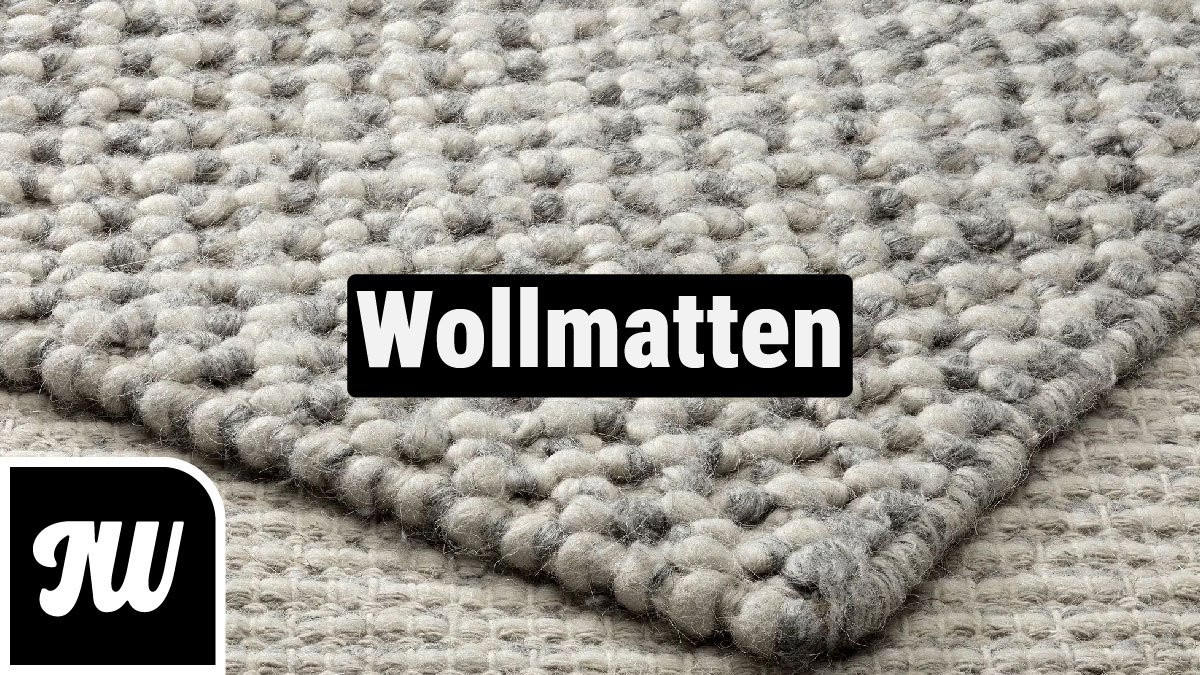
Have you ever walked on a mat that felt soft, warm, and natural? That is exactly what wollmatten feel like. More and more people today want natural products in their homes. They are moving away from plastic and choosing things that are safe, comfortable, and good for the planet. Wollmatten are one of those smart choices.
What Are Wollmatten?
Wollmatten is a German word. “Woll” means wool, and “Matten” means mats. So, wollmatten simply means wool mats. These are mats made from natural sheep wool. The wool is cleaned, processed, and then either woven, pressed, or felted into a mat shape.
Unlike plastic or rubber mats, wollmatten are made from a natural material. They feel soft to the touch and give a warm, cozy feeling when you walk or sit on them. You can find them in many sizes, colors, and designs. Some are thin and simple, while others are thick and very comfortable.
People use wollmatten in many places. You can put them in your living room, bedroom, kitchen, or even outside in the garden. They are also popular in yoga studios, meditation rooms, and wellness centers. Because wool is a natural fiber, these mats are safe for everyone, including children and people with sensitive skin.
A Short History of Wool Mats
Using wool for mats is not a new idea. People have been doing this for thousands of years. In Central Asia, nomadic tribes used thick wool felt mats to cover the floors of their tents. These mats kept them warm during cold winters and protected them from the hard ground.
In Europe, especially in Germany, Austria, and Switzerland, making wool mats was a common household activity. Families would weave or press wool into mats for their homes. Over time, this tradition grew into a real craft. Today, modern factories and small workshops continue to make wollmatten using both old methods and new technology.
The interesting thing is that wollmatten have come back into fashion. In a world full of plastic products, people are looking for natural options again. Wool mats fit perfectly into this growing trend of eco-friendly living.
How Are Wollmatten Made?
The process of making wollmatten starts with sheep. Farmers carefully cut the wool from sheep. This is called shearing, and it does not hurt the animal. In fact, sheep need to be sheared regularly for their own health and comfort.
After shearing, the raw wool is washed to remove dirt, oils, and other things. Once it is clean, the wool fibers are ready to be turned into mats. There are two main ways to do this.
The first method is felting. In this process, wool fibers are pressed together using heat, water, and pressure. This creates a thick, dense material that is very strong. Felted wollmatten are popular for yoga, meditation, and high-traffic areas in the home.
The second method is weaving. Here, wool fibers are woven together on a loom to create beautiful patterns and designs. Woven wollmatten are often used as decorative rugs in living rooms and bedrooms. They come in many colors and styles.
Some makers also mix wool with other natural fibers like cotton or plant materials. This can make the mat softer or more flexible. However, mats made from 100% pure wool usually give the best results in terms of comfort and durability.
Benefits of Wollmatten
There are many good reasons to choose wollmatten over other types of mats. Here are some of the most important benefits.
Soft and Comfortable
Wool is naturally soft. When you step on a wollmatten, it feels gentle and cushioned under your feet. This is especially nice for people who spend a lot of time standing, like in the kitchen or at a workspace. The natural softness also makes these mats great for children to play on.
Natural Temperature Control
One of the best things about wool is that it helps control temperature. Wool fibers have tiny air pockets inside them. These pockets trap warmth during winter, keeping your feet warm. During summer, the same air pockets allow the mat to stay cool and breathable. This means you can use wollmatten comfortably all year round.
Strong and Long Lasting
Wollmatten are very durable. Wool fibers are naturally elastic, which means they can stretch and bend without breaking. Even after years of daily use, a good wool mat will keep its shape and look. High quality wool mats can last 20 to 30 years if you take care of them properly. This makes them a smart long-term choice compared to cheaper synthetic mats that wear out quickly.
Good for the Environment
Wool is a renewable resource. Sheep grow new wool every year, so we never run out of it. Wool is also biodegradable, which means it breaks down naturally when you throw it away. It does not sit in a landfill for hundreds of years like plastic does. Choosing wollmatten is a simple way to make your home more eco-friendly.
Helps Reduce Noise
Wool fibers are dense and can absorb sound very well. If you place a wollmatten in a room, it can help reduce echoes and background noise. This is why wool mats are often used in offices, apartments, and studios where quiet is important.
Resists Moisture and Odors
Wool can absorb moisture from the air without feeling wet. This helps prevent the growth of bacteria and mold. It also means that wollmatten do not develop bad smells easily. They stay fresh and clean for a long time with basic care.
Safe for Allergies
Natural wool is resistant to dust mites and bacteria. This makes wollmatten a good choice for people who have allergies or sensitive skin. Unlike some synthetic materials, wool does not release harmful chemicals into the air.
Different Types of Wollmatten
Not all wollmatten are the same. There are different types made for different purposes. Knowing about these types can help you pick the right one.
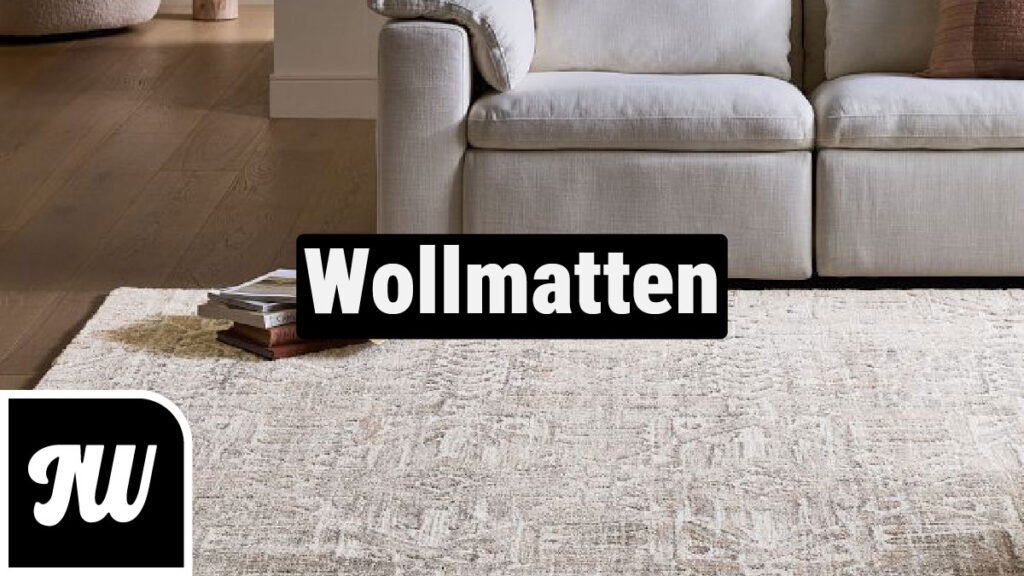
Decorative wool mats are designed to look beautiful. They come in many colors and patterns. People use them in living rooms, bedrooms, and hallways to add warmth and style to their space.
Functional wool mats are made for heavy use. They are thick and strong, perfect for kitchens, workspaces, and entryways. These mats can handle a lot of foot traffic without losing their quality.
Yoga and wellness mats are soft and breathable. They give natural cushioning during yoga poses and meditation. Many yoga lovers prefer them over plastic mats because they feel more comfortable and do not irritate the skin.
Garden wool mats are a special type used outdoors. Gardeners place them around plants to hold moisture in the soil and protect roots from extreme temperatures. As the wool slowly breaks down, it adds nutrients like nitrogen to the soil. This makes wollmatten a natural and helpful tool for gardening.
How to Choose the Right Wollmatten
Picking the right wollmatten is easy when you know what to look for. Here are some simple tips.
First, think about where you will use the mat. A living room mat can be thinner and more decorative. A kitchen or yoga mat should be thicker for extra comfort and support.
Second, check the material. Try to choose a mat made from 100% natural wool. This gives you all the natural benefits like temperature control, softness, and durability. Mats that mix wool with synthetic fibers may not perform as well.
Third, consider the size. Measure the area where you want to place the mat before you buy one. A mat that is too small can look out of place, while one that is too big might not fit properly.
Fourth, pick a design that matches your home. Soft, neutral colors work well in modern homes. Bold patterns and bright colors can add personality to a simple room. The right design will make your mat look like a natural part of your space.
Finally, think about your budget. Good wool mats can be a little more expensive than synthetic ones, but they last much longer. Over time, you actually save money because you do not need to replace them often.
How to Care for Your Wollmatten
Taking care of wollmatten is simple, and proper care helps them last for many years.
Shake your mat outside once a week to remove loose dust and dirt. You can also use a vacuum cleaner on a low setting to clean the surface gently.
If something spills on the mat, act quickly. Use a clean, damp cloth and gently press the stain. Do not rub the stain, because rubbing can damage the wool fibers.
Most wollmatten should not go into a washing machine. Instead, wash them by hand using cold water and a gentle detergent made for wool. After washing, let the mat dry naturally in the air. Keep it away from direct sunlight, because strong sun can cause the colors to fade.
Once a year, you can take your mat to a professional cleaner who knows how to handle wool products. This deep cleaning keeps the mat fresh and extends its life.
Wollmatten vs. Synthetic Mats
Many people wonder how wollmatten compare to regular synthetic mats. The differences are quite clear.
Synthetic mats are usually made from plastic or rubber. They may look nice at first, but they often lose their shape after a few months of use. They can also feel hard, trap heat, and sometimes give off a chemical smell. When you throw them away, they do not break down and can harm the environment.
Wollmatten, on the other hand, are made from a natural material that is renewable and biodegradable. They stay soft and comfortable for years. They control temperature naturally, resist moisture, and do not produce harmful chemicals. While they may cost more at the start, their long life makes them a better value over time.
Wollmatten in Modern Life
Today, wollmatten are not just traditional home products. They have found a place in modern living in many exciting ways.
Interior designers use wool mats to add natural textures and warmth to homes and offices. Architects include wool insulation materials in eco-friendly buildings to save energy. Yoga studios and wellness centers choose wool mats for their natural comfort. Even farmers and gardeners use wool mats to protect plants and improve soil health.
As more people care about the environment and their well-being, wollmatten continue to grow in popularity. They are a simple product that connects us to nature while making our daily lives more comfortable.
Frequently Asked Questions
1. What does wollmatten mean?
Wollmatten is a German word that means wool mats. It comes from “woll” (wool) and “matten” (mats). These are mats made from natural sheep wool.
2. Are wollmatten safe for children?
Yes, wollmatten are very safe for children. Wool is a natural material that does not contain harmful chemicals. It is soft, warm, and gentle on the skin, making it a great choice for play areas.
3. Can I use wollmatten for yoga?
Absolutely. Many yoga lovers prefer wollmatten because they are soft, breathable, and naturally warm. They provide good cushioning without the sticky or chemical feel of plastic yoga mats.
4. How long do wollmatten last?
With proper care, good quality wollmatten can last 20 to 30 years. Wool fibers are naturally strong and elastic, so they keep their shape even after years of regular use.
5. Are wollmatten good for the environment?
Yes, wollmatten are eco-friendly. Wool is a renewable resource that sheep produce every year. Wool mats are also biodegradable, which means they break down naturally and do not create lasting waste.
6. How do I clean my wollmatten?
Shake the mat outside regularly to remove dust. For stains, gently press with a damp cloth. Hand wash with cold water and wool-safe detergent when needed. Always air dry and avoid direct sunlight.
7. Can I use wollmatten outdoors?
Yes, you can. Some wollmatten are made for outdoor use, especially in gardens. Gardeners use them to hold moisture in the soil and protect plant roots from extreme heat or cold.
8. Are wollmatten good for people with allergies?
Yes. Natural wool resists dust mites and bacteria. It does not release harmful chemicals, making it a healthier choice for people who have allergies or sensitive skin.
9. Why are wollmatten more expensive than synthetic mats?
Wollmatten cost more because they are made from natural wool, which requires careful processing. However, they last much longer than synthetic mats, so they save you money over time.
10. Where can I buy wollmatten?
You can find wollmatten at home decor stores, specialty rug shops, and online marketplaces. Look for sellers that offer mats made from 100% natural wool for the best quality and performance.
For More Information Visit Newswiki