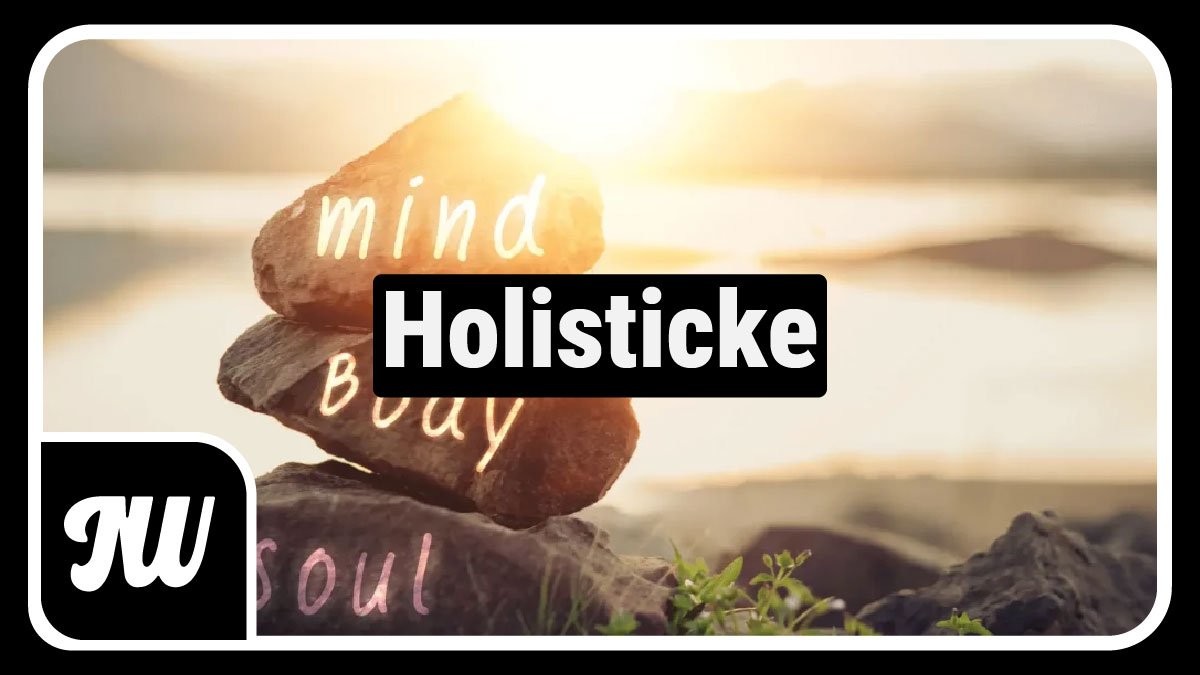
Have you ever felt tired even after a full night of sleep? Or felt physically fine but still not happy? That happens to many people. The reason is often that we focus on just one part of ourselves and forget about the rest. That is where the idea of holisticke (holistic) living comes in.
Holisticke is a way of thinking about health that looks at the whole person not just the body, but also the mind and soul. It means that everything inside you is connected. When one part is not well, the others feel it too.
In this guide, you will learn what holisticke means, why it matters, and how you can start living this way today.
What Does “Holisticke” Mean?
The word holisticke comes from the word “holistic,” which means “whole” or “complete.” In health and wellness, it means taking care of every part of yourself physical, mental, emotional, and spiritual.
Traditional medicine often focuses only on your symptoms. For example, if you have a headache, a doctor might give you medicine for the pain. But a holisticke approach also asks: Why do you have this headache? Are you stressed? Are you sleeping well? Are you eating the right foods?
Holisticke healing treats the whole person mind, body, and spirit rather than merely addressing symptoms, focusing on the root causes of health issues to aim for optimal health and wellness.
This is the big difference. Holisticke health looks at the full picture of your life.
The Three Pillars: Mind, Body, and Soul
1. The Mind
Your mind controls how you think, feel, and react to things. When your mind is not well, it affects your body and your life. Stress, worry, and negative thinking can cause real physical problems like headaches, stomach pain, or poor sleep.
Taking care of your mind means:
- Practicing mindfulness paying attention to the present moment without judgment. You can start with just five minutes a day.
- Meditating sitting quietly and focusing on your breath. Studies show that meditation effectively reduces anxiety, stress, and depression.
- Shifting your mindset choosing to look at problems in a more positive way. This does not mean ignoring difficulties. It means choosing how you respond to them.
Even small changes in how you think can make a big difference in how you feel.
2. The Body
Physical health is the foundation of holistic health. It includes regular exercise, a balanced diet, sufficient rest, and preventive care.
When you take care of your body, you also help your mind and soul feel better. Here are some simple ways to do this:
- Eat whole foods fruits, vegetables, whole grains, and lean proteins. These foods give your body the fuel it needs.
- Move your body you do not need to go to a gym. A daily walk, dancing, or yoga are all great options.
- Sleep well aim for 7 to 9 hours of uninterrupted sleep each night to allow your body and mind to rest and recharge.
- Drink enough water staying hydrated is one of the simplest things you can do for your health.
Remember, taking care of your body is not about looking a certain way. It is about feeling strong and full of energy.
3. The Soul (Spirit)
Spiritual wellness is often the most forgotten part of health. But it is just as important. Spiritual wellness is about finding meaning and purpose in life. This does not always relate to religion; it can include practices like meditation, connecting with nature, or expressing gratitude.
When you feel connected to something bigger than yourself whether that is nature, a community, or a personal belief you feel more at peace. You feel like your life has direction.
Simple ways to care for your soul:
- Spend time in nature
- Keep a gratitude journal
- Volunteer or help others
- Practice prayer, meditation, or reflection
Why Everything Is Connected
One of the most important ideas in holisticke health is that your mind, body, and soul cannot be separated. All aspects of a person’s life are interconnected physical health cannot be separated from mental, emotional, or spiritual health. A disturbance in one area can affect all others.
For example, when you are very stressed, your body might react with muscle tension or digestive problems. When you feel lonely, your motivation to exercise or eat well often disappears. This is not a weakness it is simply how human beings are built.
Understanding this connection helps you care for yourself in a smarter, more complete way.
How to Start Living a Holisticke Life
You do not need to change everything overnight. Small steps done consistently work better than big changes that do not last. Here is a simple plan to get started:
Start your morning with intention. Take five minutes before checking your phone. Breathe slowly, think about what you are grateful for, and set one goal for the day.
Move your body daily. Even a 20-minute walk counts. Regular movement improves mood, energy, and sleep.
Eat with awareness. Before eating, ask: is this food giving me energy or taking it away? You do not need to be perfect. Just be more conscious.
Connect with others. Building strong, supportive relationships and feeling part of a community are important for holistic living. Call a friend. Join a group. Share a meal.
Rest without guilt. Rest is not laziness. It is a necessary part of good health.
Reflect at the end of the day. Spend a few minutes at night thinking about what went well. This simple habit builds a positive mindset over time.
Final Thoughts
Holisticke living is not a trend or a quick fix. It is a way of life that respects the full version of who you are. The journey towards holistic wellness is ongoing and personal, requiring commitment and self-awareness to maintain balance in all aspects of life.
You do not have to be perfect. You just have to start and keep going, one small step at a time.
Frequently Asked Questions (FAQs)
1. What does “holisticke” mean in simple words?
Holisticke means caring for your whole self mind, body, and soul not just one part of you. It is the idea that all parts of you are connected.
2. Is holisticke health the same as alternative medicine?
Not exactly. Holisticke health can include natural practices like yoga or meditation, but it also works alongside regular medical care. It is not a replacement for a doctor.
3. How do I start a holisticke lifestyle?
Start small. Pick one habit like drinking more water, taking a daily walk, or meditating for five minutes and do it consistently. Build from there.
4. Can holisticke practices help with stress?
Yes. Practices like mindfulness, deep breathing, regular exercise, and spending time in nature are all proven to reduce stress and improve mental well-being.
5. Do I need to follow a religion to live holisticke?
No. Spiritual wellness in holisticke health is not tied to any religion. It simply means finding meaning, purpose, and connection in your life.
6. How long does it take to see results from holisticke living?
It depends on the person and the practice. Some people notice improvements in mood and energy within a few weeks. Long-term benefits build over months of consistent habits.
7. Can children benefit from a holisticke approach?
Absolutely. Teaching children healthy eating, good sleep habits, outdoor play, and emotional awareness supports their full development from an early age.
8. Is holisticke health expensive?
It does not have to be. Many holisticke practices like walking, breathing exercises, journaling, sleeping well, and eating home-cooked meals cost very little or nothing at all.
For More Information Visit Newswiki