Have you ever been in a situation where someone speaks a language you don’t understand? Maybe you saw a menu in a foreign restaurant, or you got an email from a business partner in another country. That feeling of not understanding can be really frustrating.
This is where çeviri comes in. Çeviri is the Turkish word for “translation,” and it is one of the most searched words on the internet today. Millions of people around the world look for ways to translate text, documents, and even full websites every single day.
What Does Çeviri Mean?
Çeviri (pronounced “cheh-vee-ree”) is a Turkish word that simply means “translation.” When someone in Turkey types “çeviri” into Google, they are usually looking for a tool to translate words, sentences, or documents from one language to another.
But çeviri is more than just changing words from one language to another. Good translation means carrying the meaning, the feeling, and the context of the original message into a new language. A word-for-word translation often sounds strange or confusing. That is why skilled translators and smart tools focus on the full meaning, not just individual words.
The English word “translate” actually comes from the Latin word “translat,” which means “to carry across.” So, when you translate something, you are carrying a message across a language barrier. That is a beautiful way to think about it.
A Short History of Translation
Translation is not a new idea. People have been translating languages for thousands of years. Here is a quick look at how it all started and how it grew over time.
The earliest known translations go back to around 2500 BC in Mesopotamia (modern-day Iraq). People there translated symbols from the Sumerian language to other local languages on clay tablets. One of the most famous early translations is the Epic of Gilgamesh, a Sumerian poem that was translated into several Asian languages around 2000 BC.
Another major event in translation history was the Septuagint. In the third century BC, about 70 scholars translated the Hebrew Bible into Greek. This happened because many Jewish communities had moved to different parts of the world and no longer spoke Hebrew well. They needed the texts in Greek, which was the common language at the time.
Then in the fourth century, Saint Jerome translated the Bible into Latin. His version, called the Vulgate, became the standard Bible for the Western Christian church for over a thousand years. Jerome is still remembered today as the patron saint of translators.
The invention of the printing press in the 1400s was another big moment. With printed books, more people could read, and there was a bigger need for translations into local languages. By the 1800s, translation had become a recognized profession used in trade, politics, and literature.
Fast forward to the modern era. Starting in the 1940s, researchers began working on machine translation. They wanted computers to do the heavy lifting. And today, in 2026, we have powerful AI tools that can translate text in seconds. But even with all this technology, human translators are still needed for work that requires cultural understanding and careful word choices.
Why Is Translation So Important Today?
We live in a connected world. Businesses sell products across borders. Students study at universities in foreign countries. Travelers explore places where people speak different languages. Without translation, none of this would work smoothly.
Here are some key reasons why çeviri matters in 2026:
Business and trade depend on clear communication. A company in Germany that wants to sell products in Japan needs all its documents, websites, and marketing materials translated correctly. A small mistake in translation can lead to big misunderstandings or even lost deals.
Education and research benefit greatly from translation. Scientists publish their findings in different languages, and students need access to knowledge regardless of what language it was written in. Translation makes learning open to everyone.
Travel and tourism would be nearly impossible without translation tools. When you visit a country where you don’t speak the language, a translation app on your phone can help you read signs, order food, ask for directions, and talk to local people.
Healthcare is another area where accurate translation saves lives. Doctors and patients who speak different languages need to understand each other clearly. Medical translation must be exact because even a small error can be dangerous.
Diplomacy and peace also rely on translation. When leaders from different countries meet, skilled interpreters and translators make sure everyone understands each other. This has been true for centuries and is just as important today.
Best Free Translation Tools in 2026
Technology has made translation easier and faster than ever before. You no longer need to carry a thick dictionary in your bag. A smartphone and an internet connection are enough. Let’s look at the most popular tools people use for çeviri in 2026.
Google Translate
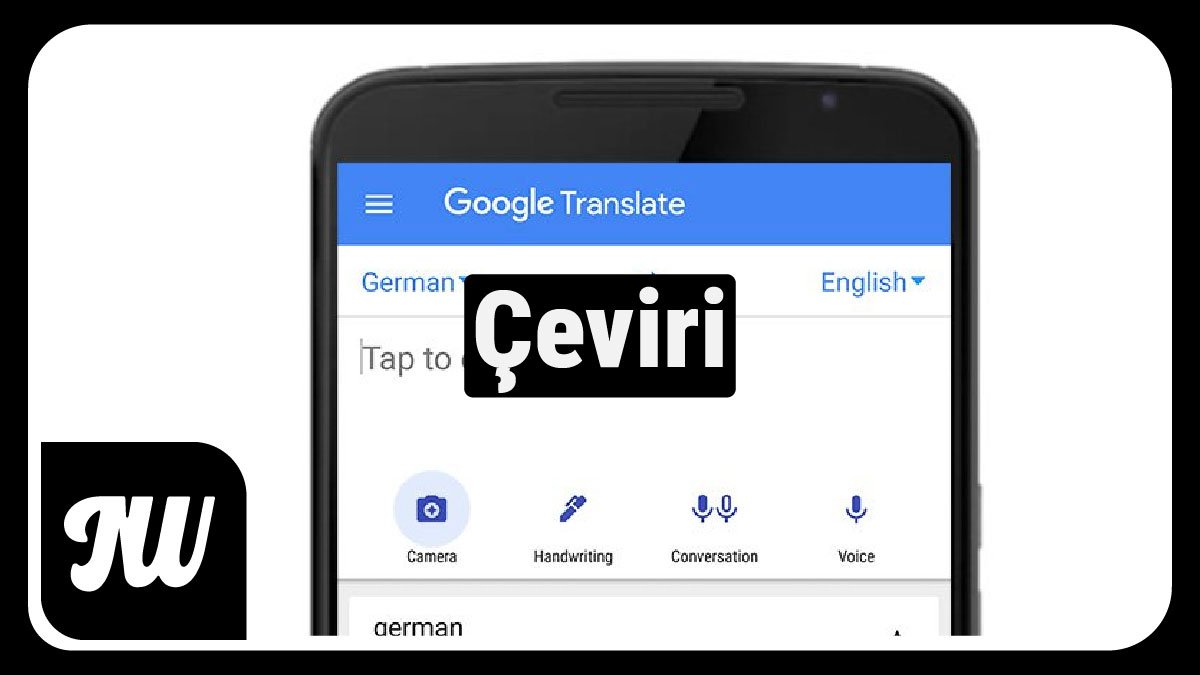
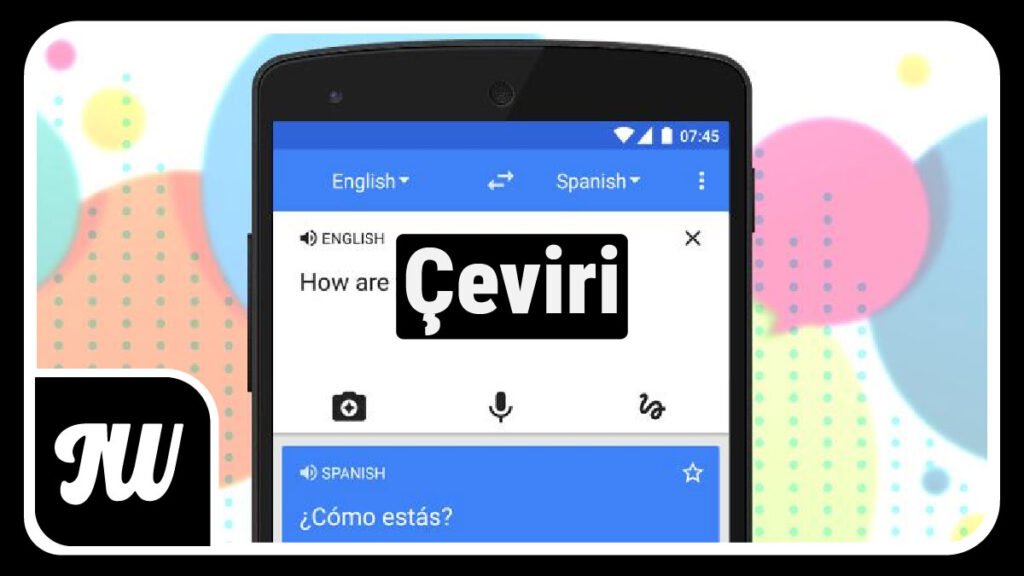
Google Translate is the most widely used translation tool in the world. It supports over 130 languages and is completely free for personal use. You can translate text, documents, websites, and even use your phone camera to translate signs and menus in real time. It also works offline if you download language packs ahead of time. For quick, everyday translations, Google Translate is hard to beat.
DeepL Translator
DeepL was created by a German company in 2017 and has quickly earned a reputation for producing translations that sound more natural and human-like. It works especially well for European languages like German, French, Spanish, and Dutch. DeepL uses advanced neural network technology and is trained on a massive database of high-quality translations. The free version lets you translate up to 1,500 characters at a time, while the paid version (starting around 9 euros per month) removes those limits and adds document translation features.
Microsoft Translator
Microsoft Translator integrates well with other Microsoft products like Word, PowerPoint, and Teams. It supports over 100 languages and offers both text and speech translation. For businesses that already use Microsoft tools, this is a convenient choice.
ChatGPT and Other AI Chatbots
AI chatbots like ChatGPT have become surprisingly good at translation, especially when the text needs a specific tone or style. You can ask ChatGPT to translate a formal business letter, a casual message, or even a creative piece of writing, and it will adjust its output accordingly. This flexibility makes AI chatbots a useful complement to traditional translation tools.
Google Translate vs. DeepL: Which One Should You Use?
This is one of the most common questions people ask when searching for çeviri tools. The answer depends on what you need.
Google Translate is better if you need to translate between many different languages, especially less common ones. It covers far more languages than DeepL and is completely free with no limits on web use.
DeepL is better if you care most about quality and natural-sounding text, particularly for European languages. Many professional translators use DeepL as a starting point and then fine-tune the results themselves.
For most people, using both tools together gives the best results. You might use Google Translate for a quick check and then run the same text through DeepL to see which version sounds better.
How AI Is Changing Translation
Artificial intelligence has completely changed the way we think about çeviri. Modern AI translation tools don’t just swap words between languages. They understand context, grammar, and even cultural differences.
In 2026, the best AI translation systems use something called neural machine translation. This technology works by training computer models on millions of examples of translated text. The models learn patterns and can produce translations that are remarkably close to what a skilled human translator would write.
AI tools can also translate documents while keeping the original formatting, which is a huge time saver for businesses. They can handle PDFs, Word files, PowerPoint presentations, and spreadsheets without breaking the layout.
However, AI translation is not perfect. It can struggle with humor, poetry, local slang, and cultural references. For important documents like legal contracts, medical records, or creative writing, it is still a good idea to have a human translator review the AI’s work.
The future of translation is likely a combination of both: AI handles the speed and volume, while humans provide the final quality check and cultural understanding.
Tips to Get Better Translation Results
Even the best translation tools need a little help from you. Here are some simple tips to get more accurate translations:
Write clearly in the original language. If your source text is messy, full of slang, or has grammar mistakes, the translation tool will struggle. Clean, simple sentences translate much better.
Break long texts into smaller pieces. Translation tools work better with shorter paragraphs. If you paste a huge block of text, the quality may drop toward the end.
Check the translation with a native speaker. Whenever possible, ask someone who speaks the target language to review the translation. They can catch errors that a machine might miss.
Use more than one tool. Compare results from Google Translate, DeepL, and ChatGPT. Sometimes one tool handles a specific phrase better than the others.
Be careful with technical or legal terms. These words often have very specific meanings that general translation tools might not get right. Use specialized glossaries or professional translation services for such content.
Common Translation Mistakes and How to Avoid Them
Translation mistakes can range from funny to very serious. Here are a few common ones:
Literal translation happens when you translate word by word without thinking about the meaning. For example, the English phrase “it’s raining cats and dogs” would make no sense if translated literally into Turkish or any other language.
Ignoring context is another common error. A word can have different meanings depending on the situation. The English word “bank” can mean a place to keep money or the side of a river. Without context, a tool might pick the wrong meaning.
Forgetting cultural differences can also cause problems. Colors, numbers, and gestures can mean different things in different cultures. A good translator considers these differences.
The best way to avoid these mistakes is to always review your translations carefully and, when the stakes are high, invest in a professional human translator.
Final Thoughts
Çeviri, or translation, is one of the most valuable skills and tools in our modern world. From ancient clay tablets to powerful AI apps on your phone, the way we translate has changed dramatically, but the goal remains the same: helping people understand each other.
In 2026, you have more translation tools at your fingertips than ever before. Google Translate gives you speed and reach. DeepL gives you quality and natural-sounding text. AI chatbots give you flexibility and style control. And for the most important work, professional human translators bring the cultural awareness and precision that no machine can fully match.
No matter which tool you choose, the important thing is that language barriers are getting smaller every day. And that is something worth celebrating.
Frequently Asked Questions (FAQ)
1. What does çeviri mean in English?
Çeviri is a Turkish word that means “translation.” It refers to the process of changing text or speech from one language into another.
2. Is Google Translate free to use?
Yes, Google Translate is completely free for personal use on the web and mobile apps. It supports over 130 languages and offers text, voice, image, and document translation.
3. Which translation tool is the most accurate in 2026?
DeepL is generally considered the most accurate for European languages. Google Translate covers more languages overall. ChatGPT is great for context-aware and tone-specific translations. The best choice depends on your language pair and the type of content.
4. Can AI translation replace human translators?
Not completely. AI is excellent for speed and everyday translations, but it still struggles with humor, cultural references, and complex creative or legal texts. Human translators are needed for high-quality, sensitive, or specialized work.
5. How many languages does Google Translate support?
Google Translate currently supports over 130 languages, making it the translation tool with the widest language coverage available today.
6. Is DeepL better than Google Translate?
For European languages, DeepL often produces more natural and fluid translations. However, Google Translate supports far more languages and is completely free. Many people use both tools together for the best results.
7. Can I translate documents without losing the format?
Yes. Tools like DeepL Pro and Google Translate can translate Word, PDF, and PowerPoint files while keeping most of the original formatting. Some complex layouts, like tables, may still need manual adjustments.
8. What is neural machine translation?
Neural machine translation is a type of AI technology that uses deep learning models trained on large amounts of translated text. It produces translations that sound more natural compared to older, rule-based systems.
9. How can I improve the quality of my translations?
Write clearly in the source language, keep sentences short and simple, use more than one translation tool, and have a native speaker review the result whenever possible.
10. Is translation the same as interpretation?
No. Translation refers to written text, while interpretation refers to spoken or sign language communication. Both involve converting one language into another, but they require different skills and are used in different situations.
For More Information Visit Newswiki