Learning Chinese can feel like a big challenge. But here is some good news — once you understand how Chinese characters work, things get much easier. One of the best ways to learn faster is to study character parts, also called “components” or “radicals.” When you know one part well, you can read and understand many other characters that use it.
What Does 尧 (Yáo) Mean?
The character 尧 (yáo) has a deep and interesting history. On its own, it refers to Emperor Yao, one of the most famous legendary rulers in Chinese history. He is said to have lived around 2356–2255 BCE. Chinese people have admired Emperor Yao for thousands of years because he was known for being wise, fair, and hardworking.
According to old stories, Yao became the ruler when he was just 20 years old. He did not give the throne to his own son. Instead, he chose Shun, a man of great honesty and skill, to be the next leader. This act made Yao a model of good leadership in Chinese culture.
The character 尧 is made up of two smaller parts. The top part comes from 戈 (gē), which means “spear,” and the bottom part is 兀 (wù), which means “to stand tall” or “rising high.” Together, they give a sense of something high and great — fitting for a name connected to a great emperor.
Today, 尧 is also used as a surname (family name) in China. You may meet people with the last name Yao, and this is the character they use.
Why Is 尧 Important for Learning Chinese?
Here is what makes 尧 so useful: it appears as a sound component inside many other Chinese characters. In Chinese, many characters are built using two parts — one part gives a hint about the meaning, and another part gives a hint about the sound (pronunciation).
The character 尧 works as a sound hint in at least 17 different characters. This means that when you see 尧 inside a character, there is a good chance the character has a pronunciation similar to “yáo” or a related sound like “rào,” “shāo,” or “xiǎo.”
Once you learn this pattern, you can guess the pronunciation of new characters much faster. This is a powerful trick for anyone learning to read Chinese.
Common Chinese Characters That Contain 尧
Let us now go through the most useful and common characters that have 尧 inside them. For each one, we will look at what it means, how to say it, and how the character is put together.
1. 烧 (shāo) — To Burn / To Cook
This is one of the most common characters with 尧. The left side is 火 (huǒ), meaning “fire.” The right side is 尧, which gives the sound. Together, it means “to burn” or “to cook by roasting.” You will see this word often in Chinese food names, like 烧烤 (shāokǎo), which means “barbecue.”
2. 晓 (xiǎo) — Dawn / To Know
The left part is 日 (rì), meaning “sun.” Combined with 尧, this character means “dawn” or “daybreak” — when the sun rises. It also means “to know” or “to understand.” Common words include 知晓 (zhīxiǎo), meaning “to know,” and 破晓 (pòxiǎo), meaning “dawn.”
3. 绕 (rào) — To Wind Around / To Go Around
The left part is 纟(sī), a short form of “silk” or “thread.” This character means “to wind around,” “to circle,” or “to go around something.” For example, 绕道 (ràodào) means “to take a detour.”
4. 饶 (ráo) — Rich / To Forgive
The left side is 饣(shí), which relates to “food.” This character means “rich” or “plentiful,” and it can also mean “to forgive” or “to spare someone.” The word 丰饶 (fēngráo) means “rich and fertile,” often used to describe land.
5. 挠 (náo) — To Scratch
The left part is 扌(shǒu), a short form of “hand.” So this character is about doing something with your hand — specifically, “to scratch.” The word 挠头 (náotóu) means “to scratch your head,” and it is also used when someone is confused or troubled.
6. 浇 (jiāo) — To Water / To Pour
The left side is 氵(shuǐ), meaning “water.” This character means “to pour water” or “to water plants.” If you have a garden, you need to 浇花 (jiāohuā) — water the flowers.
7. 翘 (qiào / qiáo) — To Stick Up / To Raise
This character has the part 羽 (yǔ), meaning “feather” or “wing.” It means “to stick up,” “to raise,” or “to tilt.” The word 翘起 (qiàoqǐ) means “to tilt up” or “to raise.”
8. 侥 (jiǎo) — Lucky / By Chance
The left side is 亻(rén), meaning “person.” This character means something that happens by luck or by chance. The word 侥幸 (jiǎoxìng) means “a lucky break” or “a narrow escape.”
9. 跷 (qiāo) — To Raise a Leg / Stilts
The left part is 足 (zú), meaning “foot.” This character refers to raising your legs or walking on stilts. The word 跷跷板 (qiāoqiāobǎn) means “seesaw” — the playground toy.
10. 骁 (xiāo) — Brave / Strong Horse
The left side is 马 (mǎ), meaning “horse.” This character describes a brave and strong horse, and by extension, it means “brave” or “courageous.” The word 骁勇 (xiāoyǒng) means “brave and fierce.”
11. 荛 (ráo) — Firewood / Grass
The top part is 艹 (cǎo), meaning “grass” or “plant.” This character means “firewood” or “grass used for fuel.”
12. 桡 (ráo) — Oar / To Bend
The left side is 木 (mù), meaning “wood.” This character means “oar” (used to row a boat) or “to bend.”
13. 硗 (qiāo) — Rocky / Infertile Land
The left part is 石 (shí), meaning “stone” or “rock.” This character describes land that is hard and rocky — not good for growing crops.
14. 娆 (ráo) — Graceful / Charming
The left side is 女 (nǚ), meaning “woman.” This character describes someone who is graceful, charming, and beautiful. The word 妖娆 (yāoráo) means “enchanting” or “charming.”
15. 铙 (náo) — A Type of Cymbal
The left part is 钅(jīn), meaning “metal.” This character refers to a traditional Chinese musical instrument — a kind of cymbal or gong used in old times.
How the 尧 Sound Pattern Works
Did you notice something? All the characters above have 尧 on one side, and a different part (called a “radical”) on the other side. The radical tells you the general meaning, and 尧 tells you something about the sound.
Here is a quick summary of the pattern:
- 火 (fire) + 尧 = 烧 (to burn)
- 日 (sun) + 尧 = 晓 (dawn)
- 纟(thread) + 尧 = 绕 (to wind)
- 饣(food) + 尧 = 饶 (rich)
- 扌(hand) + 尧 = 挠 (to scratch)
- 氵(water) + 尧 = 浇 (to water)
- 马 (horse) + 尧 = 骁 (brave horse)
- 女 (woman) + 尧 = 娆 (charming)
This is how Chinese characters are often built. Learning this system saves you a lot of time and makes studying much more fun.
Tips for Learning Characters With 尧
If you want to remember these characters well, here are a few simple tips:
Learn the radicals first. When you know what 火 means “fire” and 水 means “water,” you can quickly understand new characters. The radical gives you a clue about the topic, and 尧 gives you a clue about the sound.
Group similar characters together. Study all the 尧 characters in one session. When you see how they are connected, your brain remembers them much better than learning them one by one from a random list.
Use flashcards. Write the character on one side and the meaning plus pinyin on the other. Test yourself every day. Many free apps can help you with this.
Read real Chinese text. The best way to remember characters is to see them in context. Read simple Chinese stories, news articles, or social media posts. When you spot a character with 尧 inside, you will feel a nice sense of recognition.
Practice writing by hand. Writing characters helps your brain remember the strokes and the structure. Even writing each character five or ten times makes a big difference.
The Cultural Importance of 尧
Beyond language learning, the character 尧 carries deep cultural weight. Emperor Yao is one of the most respected figures in all of Chinese history and mythology. Confucian scholars looked up to him as the perfect example of a ruler who put his people first.
The famous phrase 尧舜 (Yáo Shùn) refers to both Emperor Yao and Emperor Shun together. In Chinese culture, saying someone is like “Yao and Shun” is one of the highest compliments — it means the person is wise, unselfish, and a great leader.
Emperor Yao is also credited with ordering the creation of the first Chinese calendar, which helped farmers know when to plant and harvest their crops. This was a huge step forward for agriculture and daily life in ancient China.
So when you study the character 尧, you are not just learning a piece of a word — you are connecting with thousands of years of Chinese civilization.
Final Thoughts
The character 尧 is a wonderful starting point for understanding how Chinese characters are built. By learning just this one component, you now know the sound hint for more than a dozen different characters. You also know the story of Emperor Yao, one of the most beloved figures in Chinese history.
Remember, learning Chinese is not about memorizing thousands of random symbols. It is about finding patterns, making connections, and building your knowledge step by step. The 尧 family of characters is a perfect example of how this works.
Keep practicing, stay curious, and enjoy the journey. Every character you learn is one step closer to reading and understanding this beautiful language.
Frequently Asked Questions (FAQs)
1. What does 尧 (yáo) mean in Chinese?
The character 尧 refers to Emperor Yao, a legendary sage-king in ancient China. It is also used as a surname. On its own, it carries the idea of something tall and great.
2. How many characters use 尧 as a component?
According to Chinese language databases, 尧 appears as a sound component in at least 17 different characters, including common ones like 烧, 晓, 绕, 饶, 挠, and 浇.
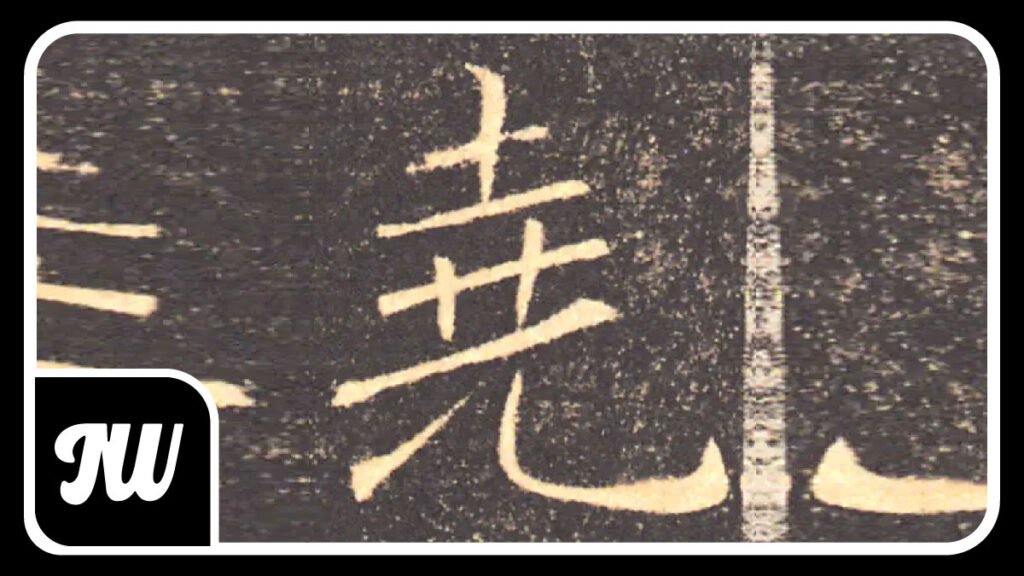
3. Is 尧 the same as 堯?
Yes. 尧 is the simplified form used in mainland China, and 堯 is the traditional form used in Taiwan, Hong Kong, and older texts. They are the same character with the same meaning.
4. How do you write 尧 in pinyin?
The pinyin for 尧 is yáo — it is pronounced with the second tone (a rising sound). It rhymes with the English word “yow.”
5. Is 尧 a common character in daily Chinese?
On its own, 尧 is not used very often in everyday speech. However, many common characters that contain 尧 — like 烧 (burn), 晓 (dawn), and 绕 (go around) — are used all the time.
6. Who was Emperor Yao?
Emperor Yao was a legendary Chinese ruler who is said to have lived around 2356–2255 BCE. He is famous for being a fair and wise leader who gave his throne to the most deserving person instead of his own son.
7. Why does 尧 appear in so many characters?
In Chinese, many characters are “phonosemantic compounds.” This means one part hints at the meaning and another part hints at the sound. Since 尧 provides a sound cue (yáo and similar sounds), it naturally appears in many different characters.
8. What is the easiest way to remember characters with 尧?
The easiest way is to learn the radical (meaning part) and 尧 (sound part) separately, then combine them. For example, 火 (fire) + 尧 = 烧 (to burn). This method helps you build many characters from just a few building blocks.
9. Can 尧 be used as a name?
Yes. 尧 is used both as a surname and as a given name in China. Many parents choose it because of its connection to the wise Emperor Yao, hoping their child will grow up to be a good person.
10. What is the stroke count of 尧?
The simplified character 尧 has 6 strokes. The traditional form 堯 has 12 strokes. The simplified version is much quicker and easier to write.
For More Information Visit Newswiki