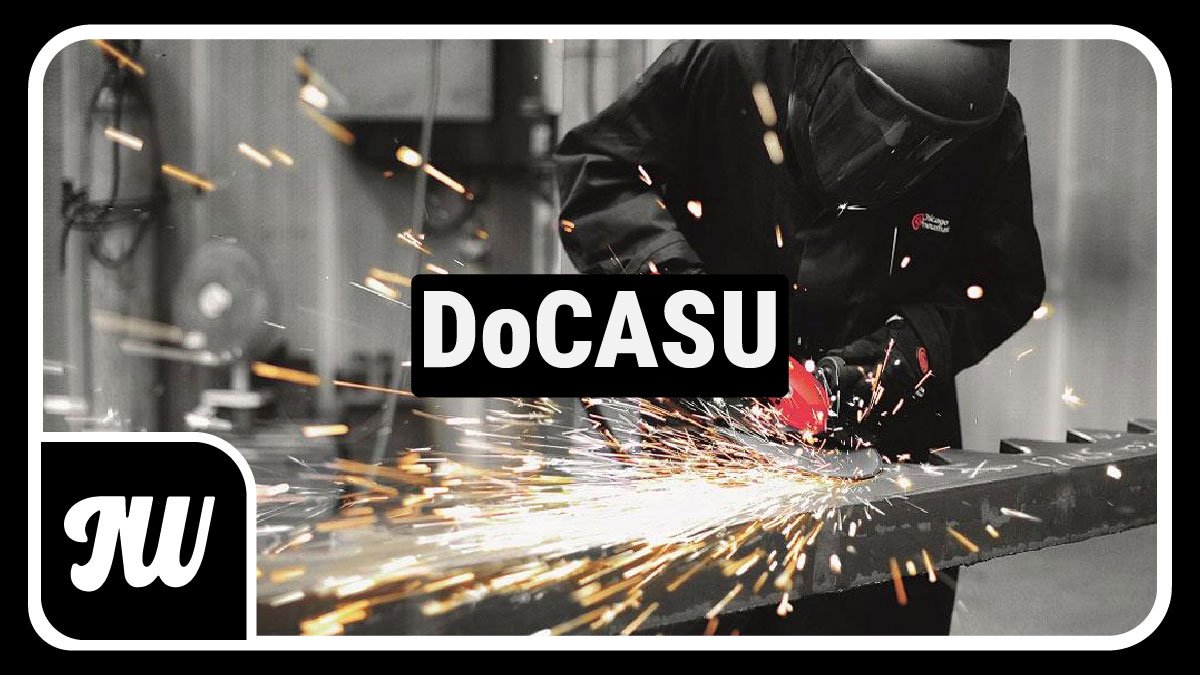
When a factory makes metal parts through casting, the work does not end when the metal comes out of the mold. The raw casting usually has rough edges, extra bits of metal, and bumpy surfaces that need to be cleaned up. This is where casting grinding comes in.
Casting grinding is one of the most important steps in metalworking. Without it, cast parts would not fit together properly, would not look good, and could even be unsafe to use. Yet many people outside the manufacturing world have never heard of it.
What Exactly Is Casting Grinding?
Casting grinding is the process of removing unwanted material from a metal casting after it comes out of the mold. During the casting process, liquid metal is poured into a mold and left to cool and harden. Once the metal is solid, the part is taken out of the mold. But at this stage, the part is far from perfect.
The raw casting often has extra pieces of metal attached to it. These come from the channels (called gates and risers) that were used to pour the liquid metal into the mold. There are also rough lines where the two halves of the mold met, known as parting lines. On top of that, the surface may have bumps, sand stuck to it, or small defects.
Grinding removes all of these problems. It smooths the surface, brings the part to the correct size, and makes it ready for the next step — whether that is painting, machining, or assembly.
Why Is Casting Grinding So Important?
You might wonder why grinding matters so much. Here are the main reasons:
Getting the right size and shape — After casting, the metal part may not be the exact size that the design requires. Grinding helps bring the part to the correct dimensions so it fits properly with other components.
Making the surface smooth — A rough surface can cause problems. It may not look good, it can create weak spots, and it may not work well when two parts need to slide against each other. Grinding gives the surface a clean, even finish.
Removing safety hazards — Raw castings often have sharp edges and pointed bits of metal called burrs. These can cut workers and damage other parts. Grinding removes these dangers.
Preparing for the next step — Many cast parts need further work like welding, painting, or coating. A smooth, clean surface helps these processes work much better.
Meeting quality standards — In industries like aerospace, automotive, and energy, parts must meet very strict rules about size, shape, and surface quality. Grinding helps manufacturers meet these requirements.
How Does the Casting Grinding Process Work?
The casting grinding process follows a general order of steps. While the exact method can change depending on the type of casting and the material, here is how it usually goes:
Step 1: Inspection — First, workers or machines check the raw casting. They look for extra metal, rough spots, cracks, and other defects. This helps them decide what needs to be ground and where.
Step 2: Removing large pieces — The gates, risers, and other large pieces of extra metal are cut off. This is often done with a saw or a cutting wheel before grinding begins.
Step 3: Rough grinding — Next, the main grinding work starts. Workers use grinding wheels or machines to remove the remaining extra material. This step takes off a lot of metal quickly but does not aim for a perfect finish yet.
Step 4: Fine grinding — After the rough grinding, a finer grinding tool is used to smooth the surface. This step focuses on getting the part closer to its final shape and size.
Step 5: Finishing — In some cases, extra finishing steps like polishing or sanding are done to get a very smooth or shiny surface.
Step 6: Final inspection — The part is checked again to make sure it meets all the size and quality requirements.
Common Tools Used in Casting Grinding
Different tools are used depending on the size of the casting, the type of metal, and how much material needs to be removed. Here are the most common ones:
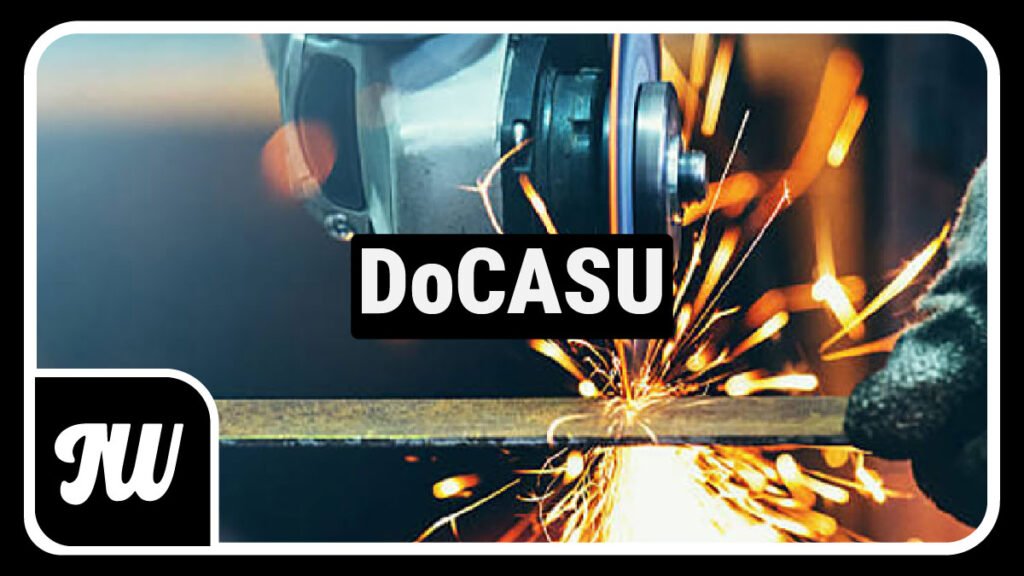
Angle grinders — These are handheld power tools that spin a grinding disc at high speed. They are very common in foundries because they are easy to use and can reach many different areas of a casting. Workers can use them to remove gates, smooth parting lines, and clean up rough surfaces.
Bench grinders — These are fixed machines with grinding wheels on each side. Workers hold the casting and press it against the spinning wheel. Bench grinders work well for smaller parts.
Belt grinders — These use a moving belt covered in abrasive material. They are good for removing a lot of material quickly and for reaching flat surfaces.
Pedestal grinders — Similar to bench grinders but larger and more powerful. They are used for bigger and heavier castings.
Grinding wheels — These are the actual discs that do the cutting. They come in many shapes, sizes, and materials. Aluminum oxide wheels are very common for general casting work. Diamond grinding wheels are becoming more popular, especially for grinding cast iron, because they last longer and create less dust.
Robotic grinding systems — In modern factories, robots are increasingly used for grinding work. These systems can grind castings with great accuracy and consistency. They also protect workers from the dust, noise, and vibration that come with manual grinding.
Types of Metal That Need Casting Grinding
Casting grinding is used on many different metals. Each metal has its own challenges:
Cast iron — This is one of the most commonly ground materials. It is hard and brittle, so the grinding must be done carefully to avoid cracks. Cast iron creates a lot of fine dust during grinding, so good dust control is essential.
Steel castings — Steel is tough and strong, which means grinding it takes more effort and tougher tools. Steel castings are common in heavy machinery, valves, and construction equipment.
Aluminum castings — Aluminum is softer than iron or steel, so it grinds more easily. However, it can clog grinding wheels if the wrong type is used. Aluminum castings are widely used in the automotive and aerospace industries.
Bronze and brass castings — These metals are used for decorative items, plumbing parts, and marine equipment. They grind smoothly but require clean tools to avoid contamination.
Health and Safety in Casting Grinding
Grinding in a foundry is hard work, and it comes with real health and safety risks. Understanding these risks is important for anyone who works in or around a grinding area.
Dust — Grinding creates a large amount of metal dust and particles. Breathing in this dust over a long time can cause serious lung problems. Workers should always wear proper dust masks or respirators, and the work area should have good ventilation and dust collection systems.
Noise — Grinding is loud. Long exposure to grinding noise can damage hearing. Workers need to wear ear protection at all times.
Vibration — Using handheld grinders for long periods can cause hand-arm vibration syndrome, which affects the blood vessels and nerves in the hands and arms. Taking regular breaks and using tools with vibration-reducing features can help.
Flying debris — Small pieces of metal and abrasive material fly off during grinding. Safety glasses or a face shield are a must.
Heat — Grinding creates friction, which creates heat. Both the workpiece and the grinding tool can get very hot. Workers should be careful to avoid burns.
Helpful Tips for Better Casting Grinding
Whether you are new to grinding or have been doing it for years, these tips can help you get better results:
Choose the right tool for the job — Do not use the same grinding wheel for every task. Match the wheel type, size, and material to the metal you are grinding and the finish you need.
Start with light passes — Do not try to remove too much material at once. Take light, even passes. This prevents overheating, reduces the risk of damaging the part, and gives a better finish.
Keep the tool moving — Holding the grinder in one spot for too long creates grooves and uneven surfaces. Keep it moving smoothly across the work area.
Use coolant when possible — Applying a coolant or lubricant during grinding helps keep the temperature down. This protects both the workpiece and the grinding tool, and it can improve the surface finish.
Inspect as you go — Do not wait until the end to check your work. Stop and inspect the surface regularly so you can catch problems early.
Maintain your tools — A worn or damaged grinding wheel does not cut well and can be dangerous. Replace wheels when they get too thin or worn, and always check tools before use.
Follow safety rules — Never skip safety gear. Wear eye protection, ear protection, a dust mask, and gloves every time you grind.
The Future of Casting Grinding: Robots and Smart Systems
The casting grinding industry is changing fast. For many years, most grinding was done by hand. Skilled workers used angle grinders and other tools to clean up castings one by one. This method works, but it is slow, inconsistent, and hard on workers’ health.
Today, more and more factories are switching to robotic grinding systems. These robots can be programmed to grind castings with great precision and speed. They apply the same force every time, follow the same path, and produce consistent results. This means fewer defective parts and less wasted material.
Modern robotic systems also use sensors and computer controls to adapt to each casting. Because every casting is slightly different, smart systems can detect the exact shape and adjust the grinding path automatically.
The move from manual to automated grinding is not just about saving money. It is also about protecting workers. Grinding produces dust, noise, and vibration that can cause serious health problems over time. Robots take on this dangerous work and keep people safe.
Industry experts expect that in the coming years, most medium and large foundries will use some form of automated grinding. Smaller foundries may continue to use manual methods but will likely adopt better tools and safety measures.
Final Thoughts
Casting grinding may not be the most talked-about step in manufacturing, but it is one of the most important. Without proper grinding, cast metal parts would be rough, inaccurate, and unsafe. From the tools on the shop floor to the robots of the future, grinding technology keeps getting better.
If you work with castings or are thinking about entering the metalworking field, understanding how grinding works will give you a real advantage. The key is to use the right tools, follow safety practices, and stay up to date with new technology.
We hope this guide has given you a clear picture of what casting grinding is all about. If you have any questions, feel free to leave them in the comments below.
Frequently Asked Questions About Casting Grinding
1. What is casting grinding used for?
Casting grinding is used to remove extra material, rough edges, and surface defects from metal parts after they come out of a mold. It makes the parts smooth, accurate, and ready for further use.
2. What tools are needed for casting grinding?
The most common tools include angle grinders, bench grinders, belt grinders, and grinding wheels. In modern factories, robotic grinding systems are also widely used.
3. Is casting grinding the same as fettling?
Yes, in many countries, especially in the UK, the process of cleaning up castings by grinding, cutting, and sanding is called fettling. It is the same basic idea — removing unwanted material from raw castings.
4. What types of metal can be ground after casting?
Almost any cast metal can be ground, including cast iron, steel, aluminum, bronze, and brass. Each metal needs different grinding tools and techniques.
5. Why do castings need grinding after they come out of the mold?
Castings have extra metal from gates and risers, rough parting lines, and surface bumps. Grinding removes these so the part meets the correct size, shape, and surface quality requirements.
6. Is casting grinding dangerous?
It can be if proper safety measures are not followed. The main risks are dust inhalation, noise damage, vibration injury, and flying debris. Wearing the right protective equipment and following safety rules greatly reduces these risks.
7. Can robots do casting grinding?
Yes, robotic grinding systems are becoming very common in modern foundries. They offer better consistency, higher speed, and improved safety compared to manual grinding.
8. What is the difference between rough grinding and fine grinding?
Rough grinding removes large amounts of extra material quickly. Fine grinding comes after and focuses on smoothing the surface and bringing the part to its exact final size.
9. How do I choose the right grinding wheel for casting work?
It depends on the metal type, the amount of material to remove, and the finish you need. Aluminum oxide wheels are good for general use. Diamond wheels are excellent for cast iron. Always check the wheel rating to make sure it matches your grinder’s speed.
10. How is casting grinding changing in the future?
The biggest change is the move toward automation. Robots with smart sensors and computer controls are taking over grinding tasks. This improves quality, reduces costs, and protects workers from health hazards.
For More Information Visit Newswiki